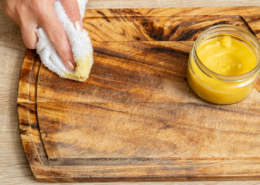
We cannot yet declare apple cider vinegar to be a miracle cure. However, we can confirm that the health benefits of apple cider vinegar enjoy a long history as a home remedy used to treat everything from a sore throat to varicose veins. This goes back to the days of Hippocrates—the ancient Greek doctor who treated wounds with it. In recent years, people have explored apple cider vinegar as a way to lose weight, houseclean, repel pesky rabbits, whiten teeth, improve heart health, and even treat dandruff.

The Right Choice
When choosing apple cider vinegar, make sure you get unfiltered apple cider vinegar that includes the “mother.” The mother of vinegar is used to accelerate the fermentation process to produce an effective product. Bragg’s is considered by many to be the gold standard for high-quality vinegar that is packed with vitamins, minerals, and amino acids. Be sure to shake it well before use.
Here are a few of the ways that ACV may work well for you to treat everyday issues in the same way that it works for so many of my readers and others who’ve reported their results.
1. Send dandruff packing
Forget all the pricey salon sprays that promise to destroy the fungus that grows on your scalp. Apple cider vinegar’s acidity changes the pH of your scalp and also has antibacterial properties. Make your own dandruff treatment at home that will banish dandruff by mixing equal parts ACV and water in a spray bottle.
Shampoo with your shampoo of choice, rinse, and towel dry. Then spray this ACV dilution onto your hair, work it through to the scalp and let it sit for 15 minutes. Rinse. Do this twice a week, and in no time, you’ll send away embarrassing dandruff forever. For routine maintenance, use ACV as a conditioner.
2. Healthy, shiny hair
Mixing 4 parts water to 1 part ACV results in a very effective apple cider vinegar hair rinse that will leave your hair soft and shiny. Shampoo, rinse and then pour about 1 cup of this mixture over your hair and rinse it out. Prepare to be amazed.
3. Skincare
Create a facial toner using 1 part ACV and 2 parts water. Rub over clean skin morning and night. If your skin is too sensitive, dilute as need. Don’t spray on; it will give your eyes that burning sensation!
ACV is a great treatment for people with oily skin, acne, scars, dark spots, and milia. One reader reports she started applying this directly to some dark spots on her face with a cotton swab morning and night. She’s seeing the results rather quickly!
4. Sore throat soother
At the first sign of a sore throat, pull out three pantry ingredients to make a powerful elixir that will help soothe the discomfort and also break up mucous and sinus congestion: Mix one teaspoon ACV, 1/4 teaspoon cayenne pepper, and three teaspoons honey in a glass of warm water.
Apple cider vinegar and honey are known to have antibacterial properties, and the capsaicin in the cayenne helps alleviate pain. Sip this concoction gradually one to three times a day. Also EC readers have reported that gargling with apple cider vinegar has brought almost immediate relief. Gargling with apple cider vinegar has been reported EC readers to bring almost immediate relief!
Note: This is not a substitute for physician-prescribed medication.
5. No more stinky feet
Persistent stinky foot odor is not necessarily a hygiene problem but rather a persistent problem caused by a fungus that may have managed to live unnoticed on the bottom of feet, under toenails or even between toes. A daily shower is not likely to alleviate the problem, but this will:
Soak your feet in a container of hot water to which you have added 4 cups ACV and 1 1/2 cups baking soda. Mix well and soak your feet in it for at least 10 minutes. Towel dry then enjoy your clean, soft feet that should also smell clean and fresh. Any lingering smell of vinegar will quickly dissipate on its own.
6. Alleviate acid reflux
It seems counterintuitive to combat stomach acid with acidic vinegar but stay with me here. One tablespoon of enzyme-rich ACV in a cup of water or tea taken right before a meal, for many, alleviates the symptoms of heartburn and acid reflux. This simple activity has been reported to help create a healthy gut. If you hate the taste, adding a tablespoon of honey will help this medicine go down.
EC Reader Jane adds: “I lived on over-the-counter heartburn medication for years. Now I use one tablespoon of ACV and a scant teaspoon of baking soda in a tall glass of water. Best antacid I’ve ever used.”
7. Skincare astringent
Apple cider vinegar will do wonders for your skin—even alleviate acne—for pennies, not dollars. If you have sensitive skin, dilute one part apple cider vinegar with one part water. However, for other skin types, ACV is most effectively used straight up.
Use it as an all-natural astringent like this: Mix up a dilution of 50/50 apple cider vinegar and water. Spray this on your clean face or apply it with a washcloth or cotton balls. Do not rinse.
The resulting protective acidic layer will make your skin feel smoother, absorb excess oil, and help to reduce fine lines. This works by restoring the proper pH levels to your skin, and the beta-carotene in the apple cider vinegar helps to ward off future skin damage.
8. Quickly heal sunburn
Acidic apple cider vinegar on a sunburn? You bet, and you’ll be amazed at the result. Here’s the routine: Following an unfortunate sunburn, draw a bath, adding one or two tablespoons ACV to the tub. After soaking for 10 minutes, the ACV will have helped restore your skin’s pH levels and your skin will feel cool and super soothed.
9. Whitening mouthwash
To make an effective whitening mouthwash, mix one teaspoon ACV with a cup of water. Swish this around your mouth and either spit it out or go ahead and swallow. It’s good for you.
10. Repel pests
If rabbits are devouring your garden, or cats are making a litter box out of your sandbox or flower beds, keep them away by soaking cotton balls in ACV and sprinkling them around flower beds. For cats, spray undiluted vinegar along the perimeter of flower beds or sandboxes to keep them out.
11. Relieve Mosquito and Bug Bite Discomfort
Use apple cider vinegar to effectively alleviate the discomfort caused by bug bites, such as stinging or itching. One dermatologist in our EC Community writes, “It’s a very underutilized home remedy. If you have a lot of bites, put two cups ACV in a full tub of water and soak. It will help the itching/”
12. Deodorizer
Mixing apple cider vinegar with water creates a deodorizing spray that is claimed to have antibacterial properties capable of eliminating unpleasant odors. Seems counterintuitive, doesn’t it? Here’s the deal. ACV‘s pungent odor dissipates quickly, leaving the fresh, clean smell of nothing.
13. Fruit Fly Trap
To get rid of flies, add a few drops of dish soap to a cup filled with apple cider vinegar (distilled or any other type of vinegar won’t work—must be ACV) and place it in the affected area. Details are in the link right below.
14. Boil Better Eggs
Adding vinegar to the water you use to boil eggs can help you produce consistently good eggs.
15. Fruit and Veggie Wash
Apple cider vinegar is effective in eliminating chemical residues or pesticides as well as killing harmful bacteria that may be present on the food.
16. Weed killer
Spray undiluted ACV (or white vinegar) on weeds, including dandelions, to kill them without adding unhealthy pesticides to your lawn. Just be strategic in your application as this will also kill grass, flowers, and things you do not want to kill!
17. Electronics
Digital devices, including smartphones, tablets, and computers, can be effectively cleaned and de-germed by wiping them down with vinegar. This can also restore their shine and appearance.
18. Sticky Scissors
To unstick scissors, it’s best to avoid using water which may cause rust. Instead, wipe down the blades of sticky scissors with apple cider vinegar (ACV) to restore their functionality.
19. Water Spots
To banish spots on wine glasses and other glassware that should sparkle, add ¼ cup of ACV to your dishwasher’s rinse cycle.
20. Kill Certain Bacteria
Vinegar has the ability to hinder growth and eliminate certain food-borne pathogenic bacteria. Furthermore, the bactericidal properties of vinegar are enhanced by heat, and salt can also aid in this process. By utilizing a combination of vinegar and sodium chloride with the proper treatment temperature, it has been shown to be highly effective in preventing bacterial food poisoning.
Side Effects, Risks, Myths
Because not all research on ACV has shown positive results, it is only right that we know about the side effects, myths and risks associated with apple cider vinegar, all of which have to do with ingesting ACV as part of one’s diet or other health-related routines. Always talk with your doctor before adding ACV to your diet.
- It may interact with diuretics, laxatives, and other medication prescribed for diabetes and heart disease.
- Ingesting ACV to prevent blood sugar spikes by slowing down absorption into the bloodstream can lead to delayed stomach emptying. This effect can worsen gastroparesis in individuals with Type 1 diabetes.
- While apple cider vinegar may be effective in reducing appetite, it can also induce sensations of nausea, indigestion, and throat irritation.
- It is very acidic and can irritate the throat and stomach. Never consume apple cider vinegar on an empty stomach and always take it diluted with something.
- When it comes to certain grades of stainless steel, such as those found in kitchen knives, it’s important to avoid using vinegar. Exposing tools with exposed edges to vinegar can damage their finish and leave the edges pitted, as cautioned by Jim Nanni, the head of appliance testing for CR. Additionally, vinegar should be kept away from other common kitchen metals, such as aluminum and copper. For the best cleaning results, it’s recommended to use dishwashing liquid and warm water instead.
- Excessive consumption of apple cider vinegar has been associated with decreased levels of potassium and calcium, according to reports.
- While apple cider vinegar may have immune-boosting properties, it is typically consumed in the form of dressings for salads or marinades for vegetables. The vegetables themselves, along with the vitamins found in the apple juice, are the primary source of immune-boosting nutrients.
Updated, Expanded, and Republished: 3-7-23
Everyday Cheapskate participates in the Amazon Services LLC Associates Program, an affiliate advertising program designed to provide a means for us to earn fees by linking to Amazon.
More from Everyday Cheapskate
Please keep your comments positive, encouraging, helpful, brief,
and on-topic in keeping with EC Commenting Guidelines
Caught yourself reading all the way 'til the end? Why not share with a friend.
Originally published at everydaycheapskate.com.