
 https://www.everydaycheapskate.com/wp-content/uploads/20260607-woman-grocery-shopping-pushing-cart-with-apples-and-cauliflower.png
800
1200
Mary Hunt
https://www.everydaycheapskate.com/wp-content/uploads/EC-Logo-by-Mary-Hunt-Tagline-Trimmed.png
Mary Hunt2026-06-09 23:20:292026-06-09 23:20:29How to Read a Grocery Store Sale Cycle (And Stop Overpaying)
https://www.everydaycheapskate.com/wp-content/uploads/20260607-woman-grocery-shopping-pushing-cart-with-apples-and-cauliflower.png
800
1200
Mary Hunt
https://www.everydaycheapskate.com/wp-content/uploads/EC-Logo-by-Mary-Hunt-Tagline-Trimmed.png
Mary Hunt2026-06-09 23:20:292026-06-09 23:20:29How to Read a Grocery Store Sale Cycle (And Stop Overpaying)7 Quick and Easy Ways to Give Yourself a Tax-Free Raise
shieldMary Hunt
calendar_todayJul 16, 2021
updateUpdated Jun 15, 2026
schedule7 min read
verifiedFact-checked

Is money a little tight? Hoping a raise will come through soon? I hate to burst your bubble, but a raise probably won’t do much good, even if it is exceptional. By the time a raise is adjusted for taxes, you’ll be lucky to see half of it in your bank account. And if that’s not bad enough, it’s a common problem that when you earn more, you automatically spend more. Reckless spending can consume a lot of cash fast.
The degree of reckless spending seems to rise in direct proportion to income. It won’t be long until you are back in your old financial rut, barely getting by. Sadly, more money will never be enough until you get serious about your spending.
The secret to getting cash inflow to exceed outflow is to reduce the outflow. That is a solution available to almost everyone.
Cutting expenses is not at all difficult once you understand it is like giving yourself a tax-free raise. Every dollar you do not spend is another dollar in your wallet. Or bank account. The challenge is to find realistic yet painless ways to trim spending without creating drudgery or removing the fun from your life.
Even if you do not have a job, you can give yourself a raise.
Live with Cash
Living with cash is a good way to curb mindless spending, except for payments you must send through the mail. It is not easy. In fact, it’s hard. But if you are willing to teach your brain and your attitude to treat this move as you would a job, it will become a very useful challenge.
Studies indicate that cash customers are more mindful of what they’re doing and spend a lot less than those paying with plastic.
- RELATED: How to Shop with CASH at Amazon
Limit ATM Trips to Weekly
Frequent trips to the ATM and or frequent swipes of that debit card tied to your bank account are like a small hole in the bottom of a boat. That constant leak can quickly lead to capsizing. Plug the leak by developing an envelope system for areas that can get out of control, like entertainment and fast food.
Place the amount you have allotted into an envelope and label it accordingly. Take the money from the corresponding envelope as you go to lunch or a movie. When it’s empty, the money is gone, meanings no more spending until the next fill-up.
Pro Tip
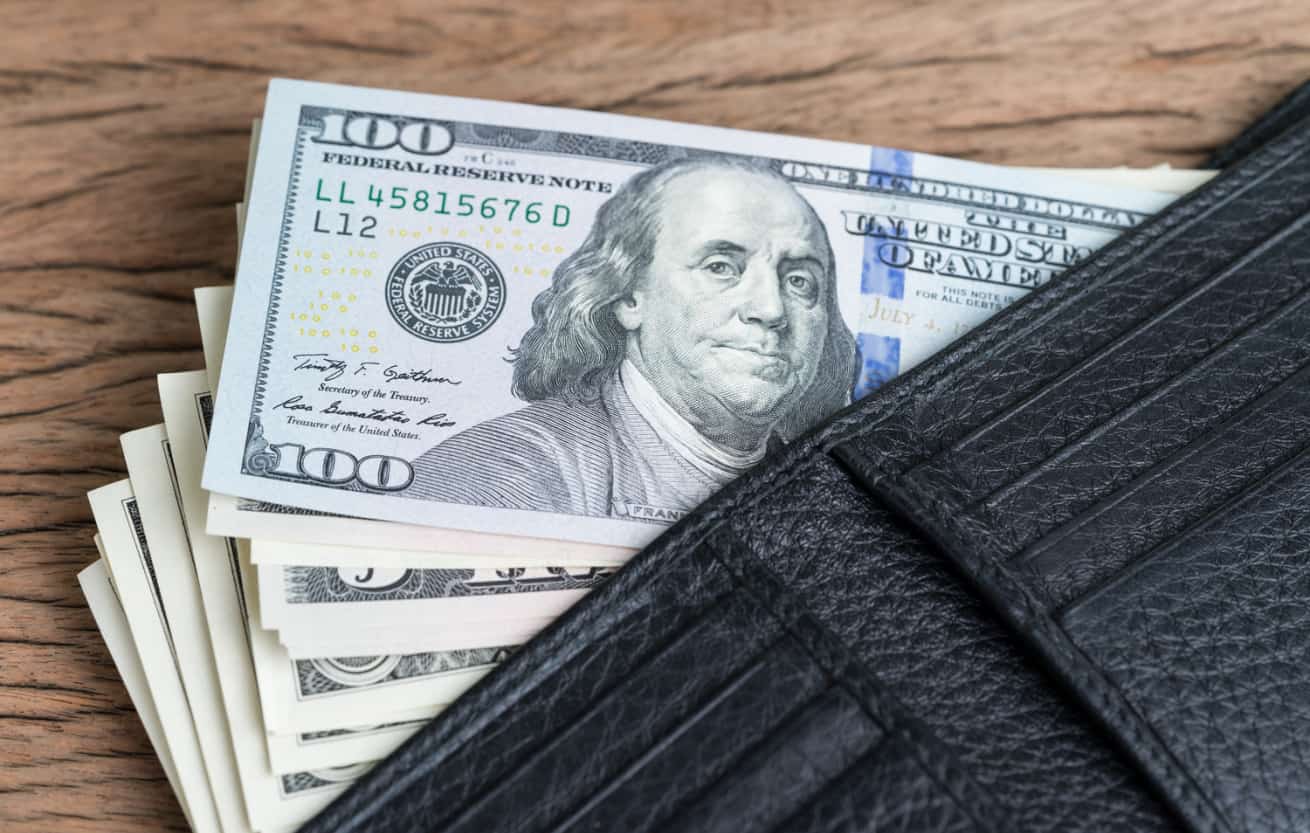
A $100 bill stashed in your wallet will give you an uncanny sense of security and willingness to leave the plastic and checkbook at home. Chances are great you will do just about anything to not break that C-note for some impulsive purchase like fries and a Coke.
Cancel Subscriptions
Study your last bank statement, looking for subscriptions—like streaming services, music service, product and entertainment memberships, and other subscriptions.
Think: Which ones do you use most often? Which had you completely forgotten about? How could you replace it with a free (news, music, entertainment) service? You may be spending a lot each month on stuff you no longer use or want. By cutting unnecessary subscriptions, you can give yourself a small raise every month.
Stop Shopping
Unless you have a specific need and the money to pay for it, don’t wander through the mall or surf the Internet just to see what looks good. Remember this: A true need is never discovered while standing in a store. It is realized during normal living.
Pro Tip
As you identify a need in your daily life, write it on your “To Buy” list so that it’s there for your next planned purchasing trip.
Use What You Have
Have you taken a look in your pantry and freezer lately? You may be surprised to see just how much food you have that is already paid for. Use it up before you make another trip to the supermarket.
Before you buy anything new, you should stop long enough to ask yourself this question: Do I already have something that will do just as well for now?
You’ll be surprised how many times the answer is yes.
Make it Automatic
A solid principle of life says if you don’t see it you won’t miss it. Use that principle to your advantage in building a nest egg. Fill out an “Automatic Deposit Authorization” at your bank or credit union, instructing them to automatically move $25 or $50 each week or two from your checking account into savings.
You might feel the pinch the first or second time that money disappears from your available balance, but soon you will not notice. You will not miss what you don’t see.
Pay off debt
If you’re rolling credit-card balances from one month to the next, you’re paying a lot of interest. Pay off those debts quickly, and do not replace them with new debt. The interest you no longer have to send to creditors is money in your wallet. Yep, just like giving yourself a raise!
First published: 10-09-18; Updated and republished 08-15-21

More from Everyday Cheapskate
https://www.everydaycheapskate.com/wp-content/uploads/20260607-woman-grocery-shopping-pushing-cart-with-apples-and-cauliflower.png
800
1200
Mary Hunt
https://www.everydaycheapskate.com/wp-content/uploads/EC-Logo-by-Mary-Hunt-Tagline-Trimmed.png
Mary Hunt2026-06-09 23:20:292026-06-09 23:20:29How to Read a Grocery Store Sale Cycle (And Stop Overpaying) https://www.everydaycheapskate.com/wp-content/uploads/20260605-bill-glasses-and-pen-how-to-negotiate-your-cable-and-internet-bill.png
800
1200
Mary Hunt
https://www.everydaycheapskate.com/wp-content/uploads/EC-Logo-by-Mary-Hunt-Tagline-Trimmed.png
Mary Hunt2026-06-05 10:07:222026-06-05 10:07:22The Word-For-Word Script That Cuts Your Bills by $600 a Year
https://www.everydaycheapskate.com/wp-content/uploads/20260605-bill-glasses-and-pen-how-to-negotiate-your-cable-and-internet-bill.png
800
1200
Mary Hunt
https://www.everydaycheapskate.com/wp-content/uploads/EC-Logo-by-Mary-Hunt-Tagline-Trimmed.png
Mary Hunt2026-06-05 10:07:222026-06-05 10:07:22The Word-For-Word Script That Cuts Your Bills by $600 a Year https://www.everydaycheapskate.com/wp-content/uploads/20260514-buy-now-pay-later-app-on-iphone-in-womans-hands.png
800
1200
Mary Hunt
https://www.everydaycheapskate.com/wp-content/uploads/EC-Logo-by-Mary-Hunt-Tagline-Trimmed.png
Mary Hunt2026-05-14 10:20:212026-05-14 10:20:23Is Buy Now Pay Later Risky? What the Data Reveals
https://www.everydaycheapskate.com/wp-content/uploads/20260514-buy-now-pay-later-app-on-iphone-in-womans-hands.png
800
1200
Mary Hunt
https://www.everydaycheapskate.com/wp-content/uploads/EC-Logo-by-Mary-Hunt-Tagline-Trimmed.png
Mary Hunt2026-05-14 10:20:212026-05-14 10:20:23Is Buy Now Pay Later Risky? What the Data Reveals https://www.everydaycheapskate.com/wp-content/uploads/20260513-woman-walking-with-basket-down-store-aisle-grocery-items-with-the-biggest-price-increases.png
800
1200
Mary Hunt
https://www.everydaycheapskate.com/wp-content/uploads/EC-Logo-by-Mary-Hunt-Tagline-Trimmed.png
Mary Hunt2026-05-13 16:45:412026-05-13 16:45:425 Grocery Items Seeing the Biggest Price Increases Now
https://www.everydaycheapskate.com/wp-content/uploads/20260513-woman-walking-with-basket-down-store-aisle-grocery-items-with-the-biggest-price-increases.png
800
1200
Mary Hunt
https://www.everydaycheapskate.com/wp-content/uploads/EC-Logo-by-Mary-Hunt-Tagline-Trimmed.png
Mary Hunt2026-05-13 16:45:412026-05-13 16:45:425 Grocery Items Seeing the Biggest Price Increases Now https://www.everydaycheapskate.com/wp-content/uploads/20260509-when-to-open-and-close-windows-to-keep-house-cool.png
800
1200
Mary Hunt
https://www.everydaycheapskate.com/wp-content/uploads/EC-Logo-by-Mary-Hunt-Tagline-Trimmed.png
Mary Hunt2026-05-09 11:35:412026-05-09 11:35:43The “Open It or Close It” Rule That Lowers Your Power Bill
https://www.everydaycheapskate.com/wp-content/uploads/20260509-when-to-open-and-close-windows-to-keep-house-cool.png
800
1200
Mary Hunt
https://www.everydaycheapskate.com/wp-content/uploads/EC-Logo-by-Mary-Hunt-Tagline-Trimmed.png
Mary Hunt2026-05-09 11:35:412026-05-09 11:35:43The “Open It or Close It” Rule That Lowers Your Power Bill https://www.everydaycheapskate.com/wp-content/uploads/20260508-frugal-habits-that-save-money-family-looking-at-sunset.png
800
1200
Mary Hunt
https://www.everydaycheapskate.com/wp-content/uploads/EC-Logo-by-Mary-Hunt-Tagline-Trimmed.png
Mary Hunt2026-05-08 14:35:372026-05-08 14:35:4413 Frugal Habits That Don’t Feel Frugal at All
https://www.everydaycheapskate.com/wp-content/uploads/20260508-frugal-habits-that-save-money-family-looking-at-sunset.png
800
1200
Mary Hunt
https://www.everydaycheapskate.com/wp-content/uploads/EC-Logo-by-Mary-Hunt-Tagline-Trimmed.png
Mary Hunt2026-05-08 14:35:372026-05-08 14:35:4413 Frugal Habits That Don’t Feel Frugal at All https://www.everydaycheapskate.com/wp-content/uploads/20260505-budget-friendly-home-improvements-to-increase-sales-price.png
800
1200
Mary Hunt
https://www.everydaycheapskate.com/wp-content/uploads/EC-Logo-by-Mary-Hunt-Tagline-Trimmed.png
Mary Hunt2026-05-05 21:38:292026-05-05 21:40:21Before You List: 12 Easy Wins to Boost Your Sale Price
https://www.everydaycheapskate.com/wp-content/uploads/20260505-budget-friendly-home-improvements-to-increase-sales-price.png
800
1200
Mary Hunt
https://www.everydaycheapskate.com/wp-content/uploads/EC-Logo-by-Mary-Hunt-Tagline-Trimmed.png
Mary Hunt2026-05-05 21:38:292026-05-05 21:40:21Before You List: 12 Easy Wins to Boost Your Sale Price https://www.everydaycheapskate.com/wp-content/uploads/financially-responsible-kids-are-watching.jpg
833
1310
Mary Hunt
https://www.everydaycheapskate.com/wp-content/uploads/EC-Logo-by-Mary-Hunt-Tagline-Trimmed.png
Mary Hunt2026-05-04 11:36:032026-05-04 11:39:22Careful the Kids are Watching! Raising Financially Responsible Kids at Home
https://www.everydaycheapskate.com/wp-content/uploads/financially-responsible-kids-are-watching.jpg
833
1310
Mary Hunt
https://www.everydaycheapskate.com/wp-content/uploads/EC-Logo-by-Mary-Hunt-Tagline-Trimmed.png
Mary Hunt2026-05-04 11:36:032026-05-04 11:39:22Careful the Kids are Watching! Raising Financially Responsible Kids at Home https://www.everydaycheapskate.com/wp-content/uploads/20260501-borrowing-from-your-retirement-account-piggy-bank-and-wood-cutout-of-retired-couple.png
800
1200
Mary Hunt
https://www.everydaycheapskate.com/wp-content/uploads/EC-Logo-by-Mary-Hunt-Tagline-Trimmed.png
Mary Hunt2026-05-01 10:00:032026-05-01 10:01:39Why Borrowing From 401(k)s Backfires More Than You Think
https://www.everydaycheapskate.com/wp-content/uploads/20260501-borrowing-from-your-retirement-account-piggy-bank-and-wood-cutout-of-retired-couple.png
800
1200
Mary Hunt
https://www.everydaycheapskate.com/wp-content/uploads/EC-Logo-by-Mary-Hunt-Tagline-Trimmed.png
Mary Hunt2026-05-01 10:00:032026-05-01 10:01:39Why Borrowing From 401(k)s Backfires More Than You ThinkPlease keep your comments positive, encouraging, helpful, brief,
and on-topic in keeping with EC Commenting Guidelines
Originally published at everydaycheapskate.com.
M
Written & reviewed by
Mary Hunt
Our editorial team researches and verifies every money-saving guide before publishing. Editorial policy · About us

