
 https://www.everydaycheapskate.com/wp-content/uploads/20260611-June-prep-to-save-time-and-money-this-summer-beach-ball-in-pool.png
800
1200
Mary Hunt
https://www.everydaycheapskate.com/wp-content/uploads/EC-Logo-by-Mary-Hunt-Tagline-Trimmed.png
Mary Hunt2026-06-11 22:51:312026-06-11 22:51:31What I Prep Once in June to Save Time and Money All Summer
https://www.everydaycheapskate.com/wp-content/uploads/20260611-June-prep-to-save-time-and-money-this-summer-beach-ball-in-pool.png
800
1200
Mary Hunt
https://www.everydaycheapskate.com/wp-content/uploads/EC-Logo-by-Mary-Hunt-Tagline-Trimmed.png
Mary Hunt2026-06-11 22:51:312026-06-11 22:51:31What I Prep Once in June to Save Time and Money All SummerFrugal Food and Grocery Shopping 101
shieldMary Hunt
calendar_todayMar 05, 2022
updateUpdated Jun 15, 2026
schedule9 min read
verifiedFact-checked

If you find yourself in a financial hole, it’s time to stop digging. One way to do that is to revisit the basics of frugal food shopping. There’s no denying that you and your family must eat, but there are ways to accomplish eating good, healthy food without going into debt and living way beyond your means.
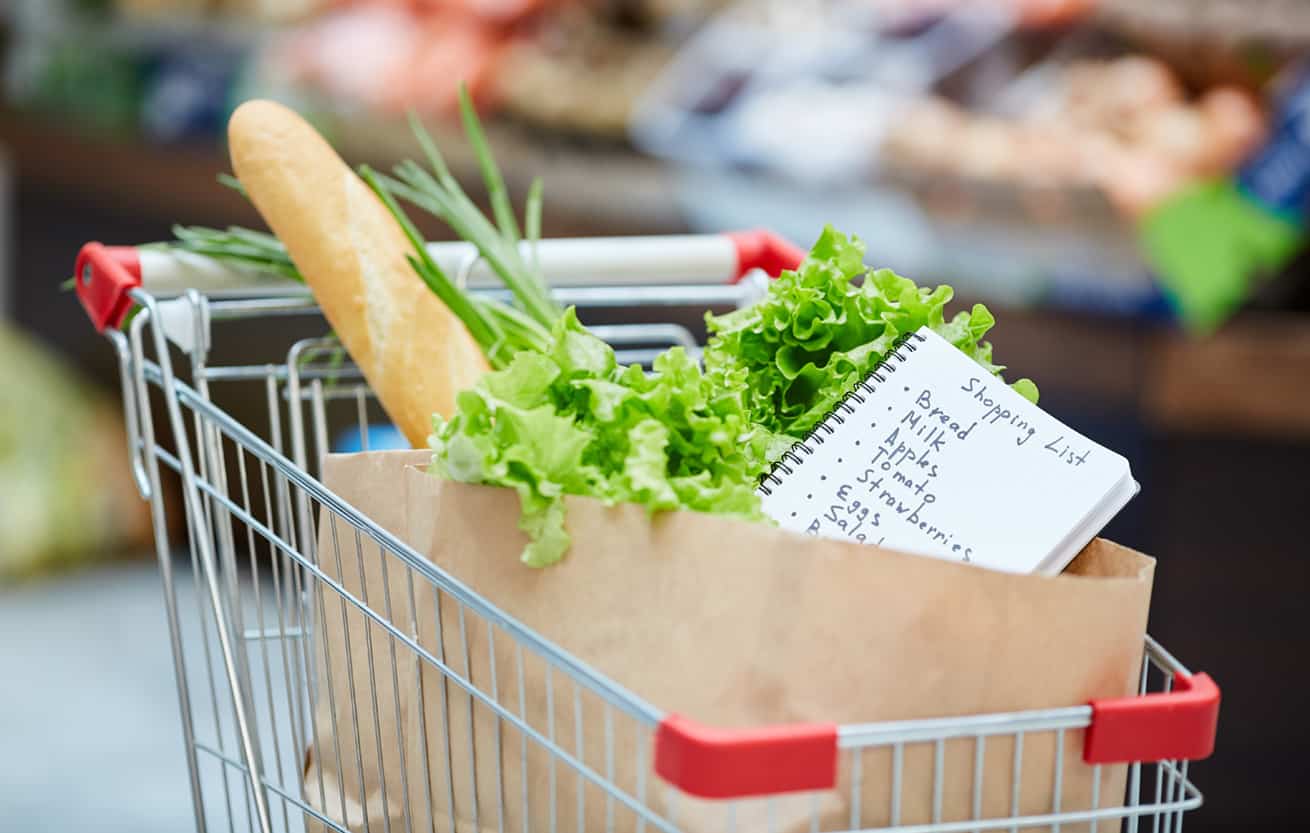
Grocery bills and eating out can wreck a budget. Follow these tips and you will get a good start on reining in those costs. Start discovering your own ways to spend less on food and groceries. Now more than ever it’s time to slash expenses to stay above water and preserve cash.
Stop take out, delivery
I get it. The past two years have felt as though we were in some kind of temporary, horrific season. It was our right to do whatever was necessary to just get through one more day until we would never have to think about lockdown and quarantines again. We felt compelled to engage in no-contact delivery of the food we were used to. Right?
Please, it’s time to stop those thoughts. The decisions to continue with the easy-way-out—such as paying for all these meals, delivery fees plus overly generous gratuities with credit—are going to come back to bite you hard. You cannot continue to opt for that feeling of entitlement even if you believe that things will be back to normal soon. You can’t know any of that. Life is uncertain.
Paying $20, $35, or more to take out or to have your favorite restaurant bring it out to you, so you can get you through one more day is about as unwise a decision as you can make right now.
Cook
Yes, cook at home. The closer you can get to cooking with raw ingredients rather than pre-made packaged items, the less money you will spend.
Go with cash only
When you need groceries, arrive at the store with cash only. Sounds so foreign I know, now that we’ve entered the times of plastic and digital payments. However, cash remains one of the best ways to make a severe grocery budget work, as unsanitary as cash may be (the new excuse for never using cash again). Sanitize it if you must. Do what you gotta’ do—and then just do it!
Visit the ATM on your way to the store. Get the amount you can afford to spend on food, then take only that amount and not a penny more to the store.
If you’re out of cash and you have 10 days of the month to go, it’s time to put away the speed dial and start raiding your pantry. You might have an odd menu for a few days, and so what? It won’t kill you.
If you have the discipline of a superhero where you put all of your expenses on a credit card and then pay the balance in full right down to $0.00 each month, good for you. Use your plastic. Just know that you are in a clear minority in that regard.
If your store no longer accepts cash, my suggestion is to find a new store.
Plan it out
Find recipes that fit your budget—yes recipes, as in cooking and preparing meals from ingredients. With very little cooking background, anyone can learn to make great soups and casseroles.
Deciding on recipes and planning meals in advance will become your financial lifesaver. Find recipes online. There are plenty on this site EverydayCheapskate.com. Search sites like AllRecipes.com where you can input the ingredients you have to find recipes that use those items.
Skip packaged items
You pay a big premium for packaged items like salad kits, meals in a bag, fruit snacks, chips, pre-sliced produce, or vegetables that come in a steam bag. Anything that has been processed and packaged comes with an additional markup. Peeling potatoes, slicing apples, and chopping lettuce might take extra time, but you will be rewarded well for the effort. And you’ll end up with a fresher, tastier result.
Those 100-calorie snack packs are convenient, but they’ll blow a hole in your food budget. Cut up fruit and vegetables at the beginning of each week, divide into single portions, and store. If you just don’t want to sacrifice your daily Goldfish, buy a large package and divide into sandwich baggies to save over 30 percent of the cost of single-serving packages.
Grind your own coffee
Ground coffee can be marked up to 30 percent higher than whole bean versions. It really is worth your while to grind your own coffee at home. (Not to mention the superior taste.) If you do not have a grinder consider investing in a good basic blade grinder.
Lose the meat
At least three times each week, make your dinner meal meatless. Think eggs, cheese, and vegetables. Try breakfast for dinner with pancakes, waffles, potatoes, and so on. You’re going to learn that having a meal without chicken or steak is a great way to save money and keep the grocery bill at rock bottom since meat is one of the most expensive proteins you can buy.
Eat what’s in season
Eating fruits and vegetables during their natural growing season saves you money because those peaches you love don’t have to be transported halfway around the world. Not only that, they are more packed with vitamins and nutrients (also due to less required travel and storage time) and they taste better, too. Check out this handy list of fresh fruits and vegetables by the month.
Don’t go hungry
Sure, we’ve all heard this one before, but it bears repeating—shop when you’re not a voracious bear. It will engage your brain in a way that will help you make reasonable and frugal food choices. Eat something first so you don’t load up the cart with junk.
Eat the sales
Even if you don’t know what will be on sale before you get there, choose the sale version of whatever you need. Do this consistently and you’ll cut your grocery tab by at least 40 percent. That’s the difference between the regular and sale price of nearly every item in the typical supermarket.
Your new normal
I know, I am not fond of that term either, “new normal.” But we have to get real. We do not know what is ahead. There’s lots of talk about food shortages coming our way any day now. What I know is that we need to be prepared.
One of the best gifts you will ever give yourself is to learn the fine art of frugality. Starting with food is a very good place to start.
Learning to live the life you love on less will change your life. And when food and gas prices return to the real normal, don’t go back to life the other way, where you spend all you have, all the time. Continue to live frugally, and you’ll be looking at a whole new life—where you are a voracious saver, able to build a beautiful Contingency (emergency) Fund, can get out of debt and enjoy life where you are living below your means
Sometimes it takes a seriously painful wake-up call to get us onto a new path—words I speak from experience and with a heart of gratitude.
Everyday Cheapskate participates in the Amazon Services LLC Associates Program, an affiliate advertising program designed to provide a means for us to earn fees by linking to Amazon affiliated sites.

More from Everyday Cheapskate
https://www.everydaycheapskate.com/wp-content/uploads/20260611-June-prep-to-save-time-and-money-this-summer-beach-ball-in-pool.png
800
1200
Mary Hunt
https://www.everydaycheapskate.com/wp-content/uploads/EC-Logo-by-Mary-Hunt-Tagline-Trimmed.png
Mary Hunt2026-06-11 22:51:312026-06-11 22:51:31What I Prep Once in June to Save Time and Money All Summer https://www.everydaycheapskate.com/wp-content/uploads/20260610-how-to-cool-down-your-house-at-night-bed-with-window-and-view.png
800
1200
Mary Hunt
https://www.everydaycheapskate.com/wp-content/uploads/EC-Logo-by-Mary-Hunt-Tagline-Trimmed.png
Mary Hunt2026-06-10 18:37:072026-06-10 18:37:07The 10-Minute Nighttime Reset That Cools Down Your House
https://www.everydaycheapskate.com/wp-content/uploads/20260610-how-to-cool-down-your-house-at-night-bed-with-window-and-view.png
800
1200
Mary Hunt
https://www.everydaycheapskate.com/wp-content/uploads/EC-Logo-by-Mary-Hunt-Tagline-Trimmed.png
Mary Hunt2026-06-10 18:37:072026-06-10 18:37:07The 10-Minute Nighttime Reset That Cools Down Your House https://www.everydaycheapskate.com/wp-content/uploads/20260607-woman-grocery-shopping-pushing-cart-with-apples-and-cauliflower.png
800
1200
Mary Hunt
https://www.everydaycheapskate.com/wp-content/uploads/EC-Logo-by-Mary-Hunt-Tagline-Trimmed.png
Mary Hunt2026-06-09 23:20:292026-06-09 23:20:29How to Read a Grocery Store Sale Cycle (And Stop Overpaying)
https://www.everydaycheapskate.com/wp-content/uploads/20260607-woman-grocery-shopping-pushing-cart-with-apples-and-cauliflower.png
800
1200
Mary Hunt
https://www.everydaycheapskate.com/wp-content/uploads/EC-Logo-by-Mary-Hunt-Tagline-Trimmed.png
Mary Hunt2026-06-09 23:20:292026-06-09 23:20:29How to Read a Grocery Store Sale Cycle (And Stop Overpaying) https://www.everydaycheapskate.com/wp-content/uploads/20260604-Fathers-Day-activities-on-a-budget-dad-and-daughter-pointing-up-to-clouds-in-the-blue-sky.png
800
1200
Mary Hunt
https://www.everydaycheapskate.com/wp-content/uploads/EC-Logo-by-Mary-Hunt-Tagline-Trimmed.png
Mary Hunt2026-06-04 21:53:382026-06-04 21:55:20What to Do on Father’s Day: 30 Ideas He’ll Love
https://www.everydaycheapskate.com/wp-content/uploads/20260604-Fathers-Day-activities-on-a-budget-dad-and-daughter-pointing-up-to-clouds-in-the-blue-sky.png
800
1200
Mary Hunt
https://www.everydaycheapskate.com/wp-content/uploads/EC-Logo-by-Mary-Hunt-Tagline-Trimmed.png
Mary Hunt2026-06-04 21:53:382026-06-04 21:55:20What to Do on Father’s Day: 30 Ideas He’ll Love https://www.everydaycheapskate.com/wp-content/uploads/20260603-keeping-laundry-white.png
800
1200
Mary Hunt
https://www.everydaycheapskate.com/wp-content/uploads/EC-Logo-by-Mary-Hunt-Tagline-Trimmed.png
Mary Hunt2026-06-03 19:14:082026-06-03 19:16:53How to Keep White Clothes Actually White (Yes, It’s Possible)
https://www.everydaycheapskate.com/wp-content/uploads/20260603-keeping-laundry-white.png
800
1200
Mary Hunt
https://www.everydaycheapskate.com/wp-content/uploads/EC-Logo-by-Mary-Hunt-Tagline-Trimmed.png
Mary Hunt2026-06-03 19:14:082026-06-03 19:16:53How to Keep White Clothes Actually White (Yes, It’s Possible) https://www.everydaycheapskate.com/wp-content/uploads/20260501-bowl-of-salad-how-to-keep-greens-and-lettuce-from-wilting-and-getting-slimey.png
800
1200
Mary Hunt
https://www.everydaycheapskate.com/wp-content/uploads/EC-Logo-by-Mary-Hunt-Tagline-Trimmed.png
Mary Hunt2026-06-01 10:22:382026-06-01 10:24:52The Best Way to Store Salad Greens and Keep Them Fresh
https://www.everydaycheapskate.com/wp-content/uploads/20260501-bowl-of-salad-how-to-keep-greens-and-lettuce-from-wilting-and-getting-slimey.png
800
1200
Mary Hunt
https://www.everydaycheapskate.com/wp-content/uploads/EC-Logo-by-Mary-Hunt-Tagline-Trimmed.png
Mary Hunt2026-06-01 10:22:382026-06-01 10:24:52The Best Way to Store Salad Greens and Keep Them Fresh https://www.everydaycheapskate.com/wp-content/uploads/20260530-bright-contemporary-kitchen-how-to-fix-a-smelly-kitchen-sink-drain.png
800
1200
Mary Hunt
https://www.everydaycheapskate.com/wp-content/uploads/EC-Logo-by-Mary-Hunt-Tagline-Trimmed.png
Mary Hunt2026-05-30 13:19:232026-05-30 13:19:23How to Get Rid of a Smelly Kitchen Sink Drain for Good
https://www.everydaycheapskate.com/wp-content/uploads/20260530-bright-contemporary-kitchen-how-to-fix-a-smelly-kitchen-sink-drain.png
800
1200
Mary Hunt
https://www.everydaycheapskate.com/wp-content/uploads/EC-Logo-by-Mary-Hunt-Tagline-Trimmed.png
Mary Hunt2026-05-30 13:19:232026-05-30 13:19:23How to Get Rid of a Smelly Kitchen Sink Drain for Good https://www.everydaycheapskate.com/wp-content/uploads/20260523-hurricane-season-prep-warning-sign-with-dark-cloudy-sky-in-background.png
800
1200
Mary Hunt
https://www.everydaycheapskate.com/wp-content/uploads/EC-Logo-by-Mary-Hunt-Tagline-Trimmed.png
Mary Hunt2026-05-23 14:36:062026-05-23 14:36:08Hurricane Prep on a Budget: What You Actually Need Before June 1
https://www.everydaycheapskate.com/wp-content/uploads/20260523-hurricane-season-prep-warning-sign-with-dark-cloudy-sky-in-background.png
800
1200
Mary Hunt
https://www.everydaycheapskate.com/wp-content/uploads/EC-Logo-by-Mary-Hunt-Tagline-Trimmed.png
Mary Hunt2026-05-23 14:36:062026-05-23 14:36:08Hurricane Prep on a Budget: What You Actually Need Before June 1 https://www.everydaycheapskate.com/wp-content/uploads/20260522-how-to-honor-and-remember-memorial-day-flags-in-grass.png
800
1200
Mary Hunt
https://www.everydaycheapskate.com/wp-content/uploads/EC-Logo-by-Mary-Hunt-Tagline-Trimmed.png
Mary Hunt2026-05-22 15:16:422026-05-22 15:18:55Memorial Day Activities: How to Honor the Fallen
https://www.everydaycheapskate.com/wp-content/uploads/20260522-how-to-honor-and-remember-memorial-day-flags-in-grass.png
800
1200
Mary Hunt
https://www.everydaycheapskate.com/wp-content/uploads/EC-Logo-by-Mary-Hunt-Tagline-Trimmed.png
Mary Hunt2026-05-22 15:16:422026-05-22 15:18:55Memorial Day Activities: How to Honor the FallenPlease keep your comments positive, encouraging, helpful, brief,
and on-topic in keeping with EC Commenting Guidelines
Originally published at everydaycheapskate.com.
M
Written & reviewed by
Mary Hunt
Our editorial team researches and verifies every money-saving guide before publishing. Editorial policy · About us

