

 https://www.everydaycheapskate.com/wp-content/uploads/20260611-June-prep-to-save-time-and-money-this-summer-beach-ball-in-pool.png
800
1200
Mary Hunt
https://www.everydaycheapskate.com/wp-content/uploads/EC-Logo-by-Mary-Hunt-Tagline-Trimmed.png
Mary Hunt2026-06-11 22:51:312026-06-11 22:51:31What I Prep Once in June to Save Time and Money All Summer
https://www.everydaycheapskate.com/wp-content/uploads/20260611-June-prep-to-save-time-and-money-this-summer-beach-ball-in-pool.png
800
1200
Mary Hunt
https://www.everydaycheapskate.com/wp-content/uploads/EC-Logo-by-Mary-Hunt-Tagline-Trimmed.png
Mary Hunt2026-06-11 22:51:312026-06-11 22:51:31What I Prep Once in June to Save Time and Money All SummerYou Paid How Much for Your First Computer?!
shieldMary Hunt
calendar_todayAug 29, 2019
updateUpdated Jun 15, 2026
schedule8 min read
verifiedFact-checked

I just read something that made me laugh out loud—mostly because it’s funny, but also because it is poignantly true.
“I wonder what my kids will tell their kids … ‘It was so rough back in my day. I didn’t get a phone ’til 4th grade and sometimes the wifi didn’t always work upstairs!’”
You’re laughing too, aren’t you! I want to add one more thing: “And back then, a computer cost more than a thousand dollars!” I can visualize those future kids, slack-jawed at the thought of having to pay that much money for a computer. Unthinkable. Right? Do you recall how much your first computer cost?
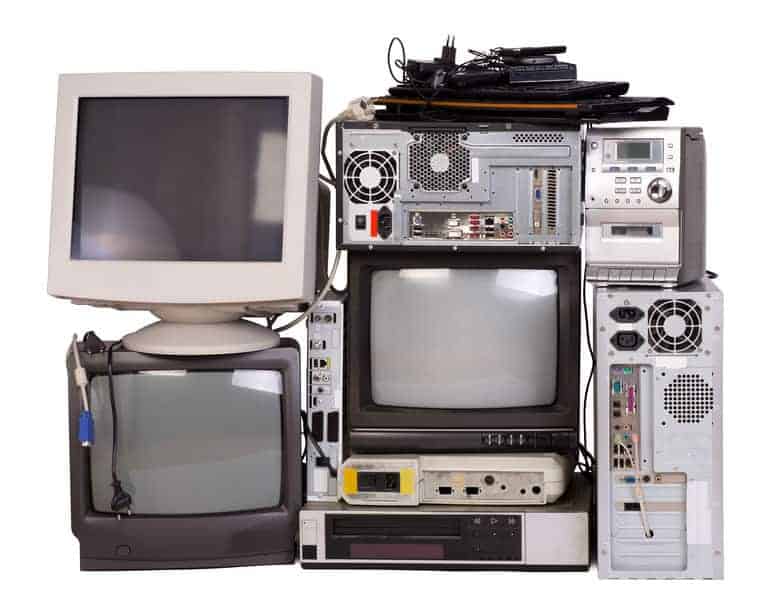
Over the years, I have owned no fewer than eight nine computers—mostly because I just beat them to death. But also because I’ve convinced myself that I need to be on the cutting edge of technology as a writer.
Slow, expensive relics
My first computer was the biggest, the heaviest, the slowest, and the most expensive of all nine. I welcomed a lighter, sleeker, faster, and better machine with each upgrade. But here’s the surprising thing: Each new computer would cost less than the one it replaced. Technology is wonderful that way.
Speaking of wonderful, there is no other way to describe what is happening in the world of Chromebook—a laptop computer that runs Chrome OS as its operating system is designed to be used primarily while connected to the Internet and costs anywhere from about $200 to $900. Even the higher-end models are at least $2,000 cheaper than a Macbook Pro with Retina display.
Several companies such as Lenovo, Acer, HP, Samsung, Asus, and Toshiba are manufacturing Chromebooks because they have become so popular. In fact, Chromebooks have outsold Apple’s range of Macs.
Popular with college students
Chromebooks are super popular with college students because they’re portable, lightweight, reliable and the best part—all of their files, documents, notes, music, videos, movies, etc., are stored online and available from anywhere on any device.
A Chromebook is a specific type of laptop computer that relies heavily on the Google suite of applications. And it doesn’t have a ton of onboard storage, with most apps and documents living in the cloud rather than in the machine’s hard drive—which if you’ve ever had a hard drive crash, should come as really good news.
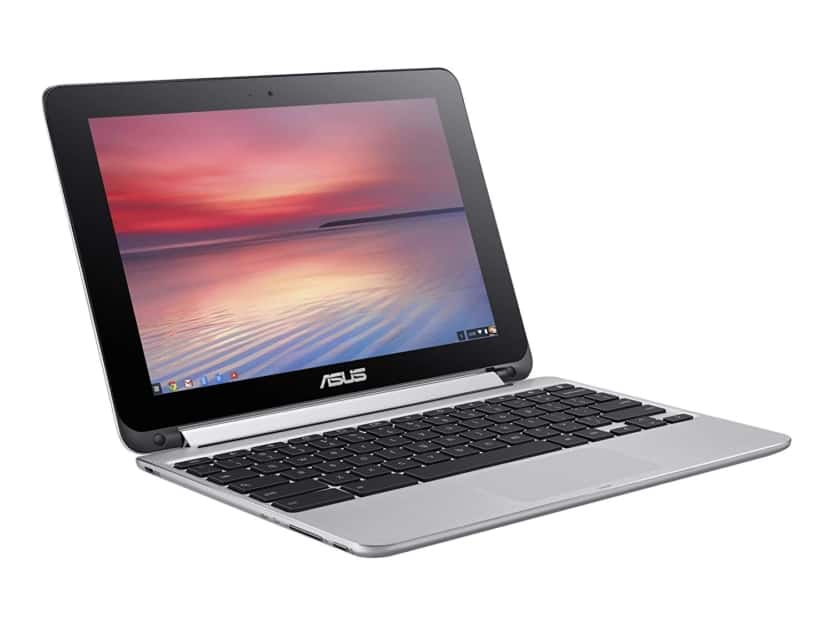
For me, the most amazing thing about a Chromebook is the price. For example, this ASUS Chromebook Flip can be used as a laptop or flipped over to become a tablet. It has an HD touchscreen, 10.1-inch screen, 10-hour battery life, 2.0 GHz processor, 4 GB memory and 16 GB eMMC storage. And today it costs less than ten percent of what I paid for my first computer.
What’s the difference between Chromebooks and other traditional computers that run on Windows or Mac OS?
Chromebooks are designed to be used primarily while connected to the Internet. Most applications and documents live in the cloud rather than being downloaded or installed on the machine itself.
But aren’t Chromebooks inferior to regular computers, designed mostly for kids?
Not any more. In fact, industry experts are now saying the best Chromebooks are some of the best laptops overall. Chromebooks have come a long way!
Is Chromebook an option for college student?
Perhaps a Chromebook is a better option than a pricey Macbook because most schools have computer labs that provide a better atmosphere for studying.
A Chromebook can easily fulfill any gaps a student might have with his or her use of the college’s computer lab. Chromebooks are lightweight, they run Flash, and email. Students can use Google Drive to have colleagues edit easily and to submit papers. A Chromebook allows them to read academic articles, browse social media, or conduct other “recreational” research.
Generally, Chromebooks can run anything that uses Flash, which is what most online and offline applications for his or her classes will be using. Check your student’s computer requirements to ensure a Chromebook can run the necessary applications or tools.
Do Chromebooks work offline when there is no Internet connection available?
Yes, but in a limited way. With the Internet and wifi so available these days, it’s rarely a consideration. Still, with a few offline-ready apps, you can:
- Read and write emails with the app Offline Gmail
- Take notes or make a list with Google Keep
- You can create and edit documents, spreadsheets, and slides with Google Drive
- View and even edit photos if you’ve saved them with the Chromebook’s built-in photo editor
- Listen to music or watch movies with the built-in media player
Do Chromebooks have CD/DVD drives?
No, but you can play saved music and watch movies with the built-in media player. Or you can play files from a USB drive or SD card.
Can I print from a Chromebook?
Yes, by either setting up your printer on your Chromebook or setting up Google Cloud Print.
Could I use any accessories with a Chromebook?
Mac and Windows USB drives work with Chromebooks. So do computer mice, keyboards and external storage devices.
Is a Chromebook right for everyone and every situation?
I am not planning to get rid of my MacBook Pro anytime soon, so the answer is no, but I love my Chromebook. It’s compact, sleek, lightweight, and has a full-size keyboard.
I can take it with me to keep up with email. It’s perfect for browsing the Internet, creating documents, taking notes, which I save to my Google docs. I count on it for handling email, listening to music, and even playing a game. Or ten.
Add to all that the cheap price, and it’s no wonder Chromebook laptops have become so popular.
First published: 5-25-16; Revised & Updated with expanded information for 2019: 8-29-19. Last modified 8-3-22.
Everyday Cheapskate participates in the Amazon Services LLC Associates Program, an affiliate advertising program designed to provide a means for us to earn fees by linking to Amazon-affiliated sites.

More from Everyday Cheapskate
https://www.everydaycheapskate.com/wp-content/uploads/20260611-June-prep-to-save-time-and-money-this-summer-beach-ball-in-pool.png
800
1200
Mary Hunt
https://www.everydaycheapskate.com/wp-content/uploads/EC-Logo-by-Mary-Hunt-Tagline-Trimmed.png
Mary Hunt2026-06-11 22:51:312026-06-11 22:51:31What I Prep Once in June to Save Time and Money All Summer https://www.everydaycheapskate.com/wp-content/uploads/20260610-how-to-cool-down-your-house-at-night-bed-with-window-and-view.png
800
1200
Mary Hunt
https://www.everydaycheapskate.com/wp-content/uploads/EC-Logo-by-Mary-Hunt-Tagline-Trimmed.png
Mary Hunt2026-06-10 18:37:072026-06-10 18:37:07The 10-Minute Nighttime Reset That Cools Down Your House
https://www.everydaycheapskate.com/wp-content/uploads/20260610-how-to-cool-down-your-house-at-night-bed-with-window-and-view.png
800
1200
Mary Hunt
https://www.everydaycheapskate.com/wp-content/uploads/EC-Logo-by-Mary-Hunt-Tagline-Trimmed.png
Mary Hunt2026-06-10 18:37:072026-06-10 18:37:07The 10-Minute Nighttime Reset That Cools Down Your House https://www.everydaycheapskate.com/wp-content/uploads/20260607-woman-grocery-shopping-pushing-cart-with-apples-and-cauliflower.png
800
1200
Mary Hunt
https://www.everydaycheapskate.com/wp-content/uploads/EC-Logo-by-Mary-Hunt-Tagline-Trimmed.png
Mary Hunt2026-06-09 23:20:292026-06-09 23:20:29How to Read a Grocery Store Sale Cycle (And Stop Overpaying)
https://www.everydaycheapskate.com/wp-content/uploads/20260607-woman-grocery-shopping-pushing-cart-with-apples-and-cauliflower.png
800
1200
Mary Hunt
https://www.everydaycheapskate.com/wp-content/uploads/EC-Logo-by-Mary-Hunt-Tagline-Trimmed.png
Mary Hunt2026-06-09 23:20:292026-06-09 23:20:29How to Read a Grocery Store Sale Cycle (And Stop Overpaying) https://www.everydaycheapskate.com/wp-content/uploads/20260604-Fathers-Day-activities-on-a-budget-dad-and-daughter-pointing-up-to-clouds-in-the-blue-sky.png
800
1200
Mary Hunt
https://www.everydaycheapskate.com/wp-content/uploads/EC-Logo-by-Mary-Hunt-Tagline-Trimmed.png
Mary Hunt2026-06-04 21:53:382026-06-04 21:55:20What to Do on Father’s Day: 30 Ideas He’ll Love
https://www.everydaycheapskate.com/wp-content/uploads/20260604-Fathers-Day-activities-on-a-budget-dad-and-daughter-pointing-up-to-clouds-in-the-blue-sky.png
800
1200
Mary Hunt
https://www.everydaycheapskate.com/wp-content/uploads/EC-Logo-by-Mary-Hunt-Tagline-Trimmed.png
Mary Hunt2026-06-04 21:53:382026-06-04 21:55:20What to Do on Father’s Day: 30 Ideas He’ll Love https://www.everydaycheapskate.com/wp-content/uploads/20260603-keeping-laundry-white.png
800
1200
Mary Hunt
https://www.everydaycheapskate.com/wp-content/uploads/EC-Logo-by-Mary-Hunt-Tagline-Trimmed.png
Mary Hunt2026-06-03 19:14:082026-06-03 19:16:53How to Keep White Clothes Actually White (Yes, It’s Possible)
https://www.everydaycheapskate.com/wp-content/uploads/20260603-keeping-laundry-white.png
800
1200
Mary Hunt
https://www.everydaycheapskate.com/wp-content/uploads/EC-Logo-by-Mary-Hunt-Tagline-Trimmed.png
Mary Hunt2026-06-03 19:14:082026-06-03 19:16:53How to Keep White Clothes Actually White (Yes, It’s Possible) https://www.everydaycheapskate.com/wp-content/uploads/20260501-bowl-of-salad-how-to-keep-greens-and-lettuce-from-wilting-and-getting-slimey.png
800
1200
Mary Hunt
https://www.everydaycheapskate.com/wp-content/uploads/EC-Logo-by-Mary-Hunt-Tagline-Trimmed.png
Mary Hunt2026-06-01 10:22:382026-06-01 10:24:52The Best Way to Store Salad Greens and Keep Them Fresh
https://www.everydaycheapskate.com/wp-content/uploads/20260501-bowl-of-salad-how-to-keep-greens-and-lettuce-from-wilting-and-getting-slimey.png
800
1200
Mary Hunt
https://www.everydaycheapskate.com/wp-content/uploads/EC-Logo-by-Mary-Hunt-Tagline-Trimmed.png
Mary Hunt2026-06-01 10:22:382026-06-01 10:24:52The Best Way to Store Salad Greens and Keep Them Fresh https://www.everydaycheapskate.com/wp-content/uploads/20260530-bright-contemporary-kitchen-how-to-fix-a-smelly-kitchen-sink-drain.png
800
1200
Mary Hunt
https://www.everydaycheapskate.com/wp-content/uploads/EC-Logo-by-Mary-Hunt-Tagline-Trimmed.png
Mary Hunt2026-05-30 13:19:232026-05-30 13:19:23How to Get Rid of a Smelly Kitchen Sink Drain for Good
https://www.everydaycheapskate.com/wp-content/uploads/20260530-bright-contemporary-kitchen-how-to-fix-a-smelly-kitchen-sink-drain.png
800
1200
Mary Hunt
https://www.everydaycheapskate.com/wp-content/uploads/EC-Logo-by-Mary-Hunt-Tagline-Trimmed.png
Mary Hunt2026-05-30 13:19:232026-05-30 13:19:23How to Get Rid of a Smelly Kitchen Sink Drain for Good https://www.everydaycheapskate.com/wp-content/uploads/20260523-hurricane-season-prep-warning-sign-with-dark-cloudy-sky-in-background.png
800
1200
Mary Hunt
https://www.everydaycheapskate.com/wp-content/uploads/EC-Logo-by-Mary-Hunt-Tagline-Trimmed.png
Mary Hunt2026-05-23 14:36:062026-05-23 14:36:08Hurricane Prep on a Budget: What You Actually Need Before June 1
https://www.everydaycheapskate.com/wp-content/uploads/20260523-hurricane-season-prep-warning-sign-with-dark-cloudy-sky-in-background.png
800
1200
Mary Hunt
https://www.everydaycheapskate.com/wp-content/uploads/EC-Logo-by-Mary-Hunt-Tagline-Trimmed.png
Mary Hunt2026-05-23 14:36:062026-05-23 14:36:08Hurricane Prep on a Budget: What You Actually Need Before June 1 https://www.everydaycheapskate.com/wp-content/uploads/20260522-how-to-honor-and-remember-memorial-day-flags-in-grass.png
800
1200
Mary Hunt
https://www.everydaycheapskate.com/wp-content/uploads/EC-Logo-by-Mary-Hunt-Tagline-Trimmed.png
Mary Hunt2026-05-22 15:16:422026-05-22 15:18:55Memorial Day Activities: How to Honor the Fallen
https://www.everydaycheapskate.com/wp-content/uploads/20260522-how-to-honor-and-remember-memorial-day-flags-in-grass.png
800
1200
Mary Hunt
https://www.everydaycheapskate.com/wp-content/uploads/EC-Logo-by-Mary-Hunt-Tagline-Trimmed.png
Mary Hunt2026-05-22 15:16:422026-05-22 15:18:55Memorial Day Activities: How to Honor the FallenPlease keep your comments positive, encouraging, helpful, brief,
and on-topic in keeping with EC Commenting Guidelines
Originally published at everydaycheapskate.com.
M
Written & reviewed by
Mary Hunt
Our editorial team researches and verifies every money-saving guide before publishing. Editorial policy · About us

